
Maintaining rooflights is vital for their longevity and performance. Regular cleaning and inspections can prevent common issues such as dust accumulation and leaks.
Additionally, checking seals and insulation is essential. The impact of surrounding landscaping on sunlight exposure and drainage should not be overlooked.
Seeking professional advice for repairs and upgrades can further enhance efficiency. Understanding these factors can greatly influence the overall functionality of rooflights, prompting a closer look at maintenance practices.
While rooflights can enhance natural light in a space, their effectiveness diminishes without regular cleaning and inspection. Dust, dirt, and debris can accumulate on the surface, obstructing sunlight and reducing the overall brightness of the interior. Regular cleaning involves using appropriate tools and solutions to guarantee the glass remains clear and free from contaminants.
Inspection is equally important; it allows for the early identification of potential issues such as discoloration, scratches, or build-up that could compromise functionality. Establishing a cleaning schedule, ideally every few months, guarantees that rooflights maintain their peak performance.
Homeowners should consider seasonal inspections, particularly after harsh weather conditions, to assess any wear that might affect clarity. By prioritizing regular cleaning and thorough inspections, the longevity and efficiency of rooflights can be greatly enhanced, ensuring they continue to provide the desired natural illumination for years to come.
Monitoring rooflights for leaks and damage is essential to maintaining their integrity and functionality. Regular checks can help identify issues before they escalate, ensuring that the structure remains safe and efficient. Homeowners should inspect rooflights for visible cracks, discoloration, or warping, which can indicate underlying problems.
Additionally, attention should be paid to the surrounding areas, including the frame and seals, as these can also be sources of leaks. During heavy rain or snowmelt, it is prudent to observe any water accumulation or dripping, as this may signal compromised areas.
Conducting these evaluations at least twice a year, particularly after severe weather, can greatly enhance the lifespan of rooflights. If any leaks or damage are detected, immediate action is necessary, such as consulting a professional for repairs. This proactive approach not only preserves the rooflights but also contributes to the overall health of the building.
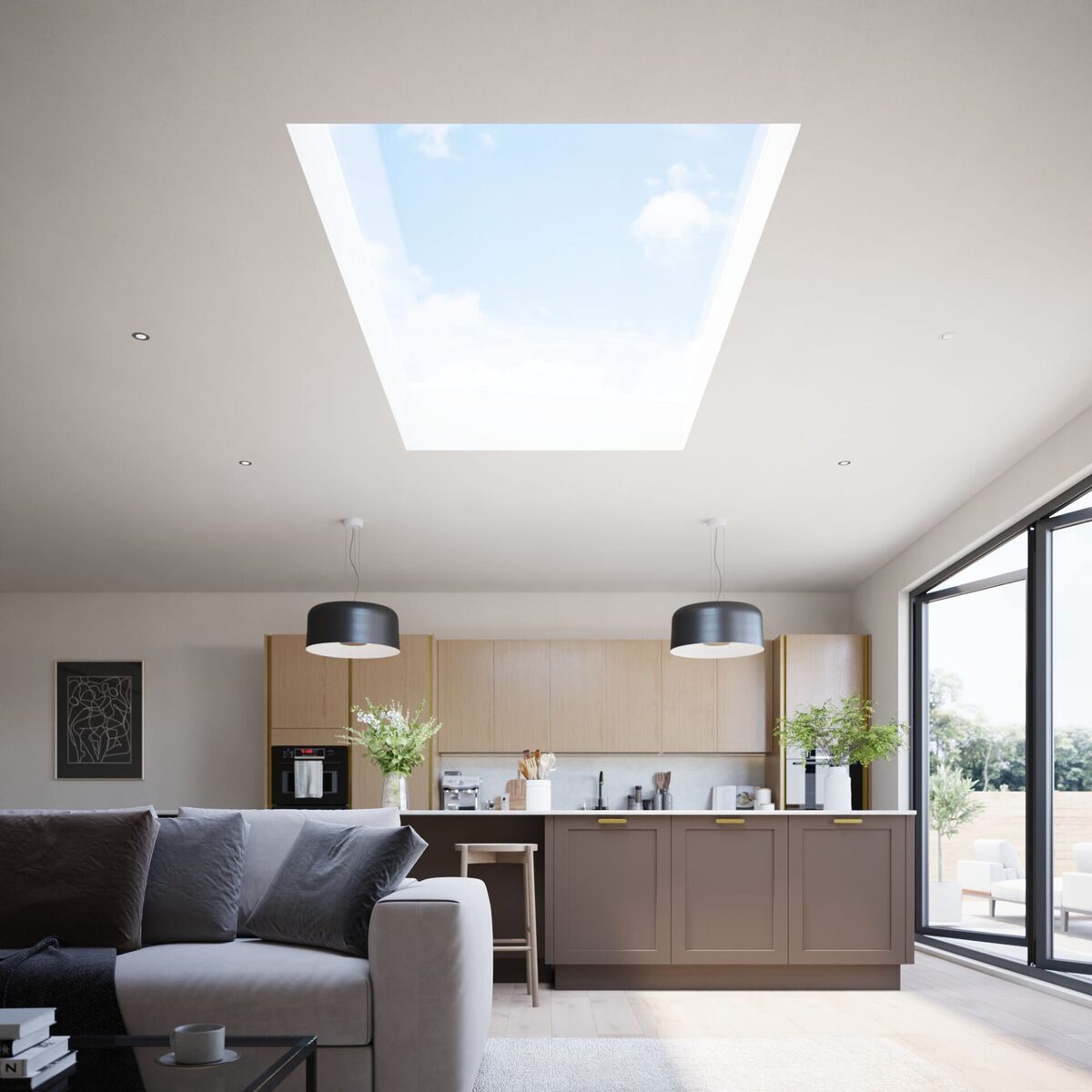
Proper sealing and insulation are vital components in maintaining the efficiency and longevity of rooflights. A well-sealed rooflight prevents air and water infiltration, which can lead to significant energy loss and structural damage. It is important to regularly inspect the seals around the rooflight for any signs of deterioration or wear. Over time, materials such as silicone or rubber can break down, compromising their effectiveness.
In addition to checking the seals, proper insulation around the rooflight is essential. Insulation helps regulate indoor temperatures, reducing heating and cooling costs. Homeowners should verify that insulation is adequately applied and free from gaps.
To achieve peak performance, it is advisable to consult with professionals who specialize in rooflight maintenance. They can provide expert advice on suitable sealing materials and insulation techniques, guaranteeing that rooflights remain efficient and durable for years to come.
Maintaining the surrounding landscaping of rooflights is vital for their overall performance and aesthetics. Proper landscaping guarantees that foliage does not obstruct sunlight, which can diminish the effectiveness of natural light entering through the rooflights. Regular trimming of trees and shrubs is essential, as overgrown vegetation can create shadows and increase debris accumulation on the rooflight surface.
Furthermore, maintaining a clean and well-designed garden can prevent the buildup of moss and algae, which can affect the integrity of rooflights. It is advisable to regularly check for weeds and invasive plants that may disrupt drainage or moisture levels around the installation.
Additionally, confirming that drainage systems are clear of any obstructions will help in managing water flow, reducing the risk of leaks or structural damage. By maintaining the landscaping, homeowners can enhance the longevity and aesthetic appeal of their rooflights, contributing to the overall health of their property.
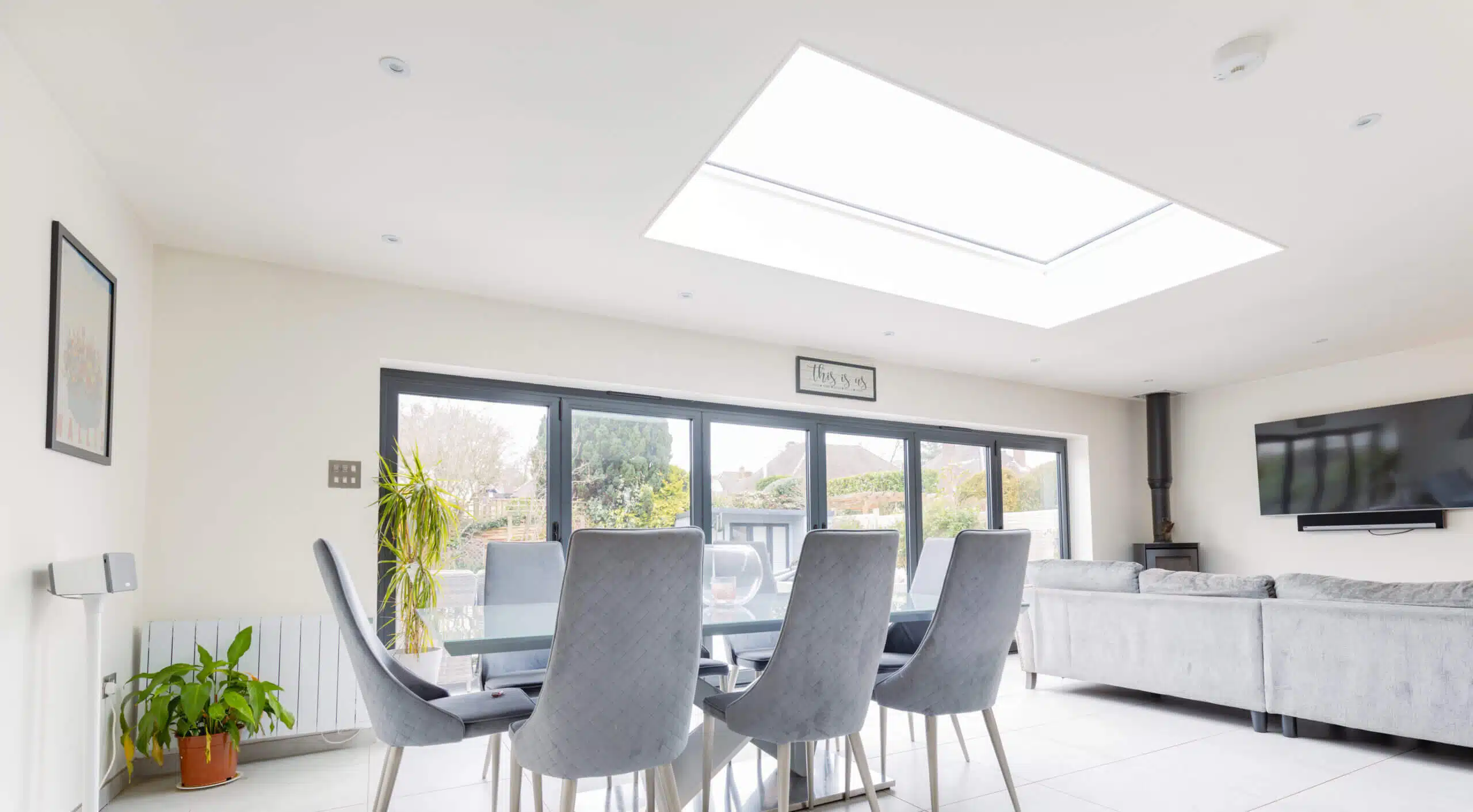
How can homeowners guarantee their rooflights remain in prime condition? One effective strategy is to consult professionals for repairs and upgrades. Experts possess the knowledge and experience necessary to evaluate the condition of rooflights accurately.
They can identify underlying issues that may not be visible to the untrained eye, such as structural weaknesses or sealant degradation. Professional services can also recommend suitable upgrades that enhance energy efficiency and aesthetic appeal.
New technologies, such as double-glazed units or solar control glass, can greatly improve performance while reducing energy costs. Additionally, trained technicians can verify that repairs are conducted to industry standards, prolonging the lifespan of the rooflights.
Harnessing sunlight through solar tubes requires a thoughtful installation process to maximize their benefits. First, a suitable location is selected, typically on a roof with adequate sunlight exposure and minimal obstructions.
After marking the area, the installer cuts an opening through the roof and ceiling, guaranteeing it is properly aligned. Next, the solar tube is positioned, connecting it securely to both the roof and ceiling fixtures. Insulation is applied to prevent heat loss, followed by sealing any gaps to protect against water infiltration.
Finally, the diffuser is installed inside the living space, allowing natural light to flood in while maintaining aesthetic appeal. Proper installation guarantees ideal light capture and energy efficiency, considerably enhancing interior spaces.
Rooflights can help reduce noise pollution in buildings by providing an additional layer of insulation. This innovative design minimizes sound transfer, creating a quieter indoor environment while also enhancing natural light and reducing reliance on artificial lighting.
Rooflights can generally be installed on various roof types, including flat and pitched roofs. However, specific structural considerations and local building regulations may impact feasibility and design, necessitating professional assessment before installation.
Rooflights require regular maintenance, including cleaning the glass, checking seals for leaks, and inspecting frames for damage. Proper upkeep guarantees maximum performance and longevity, preventing issues that could compromise energy efficiency and indoor comfort.